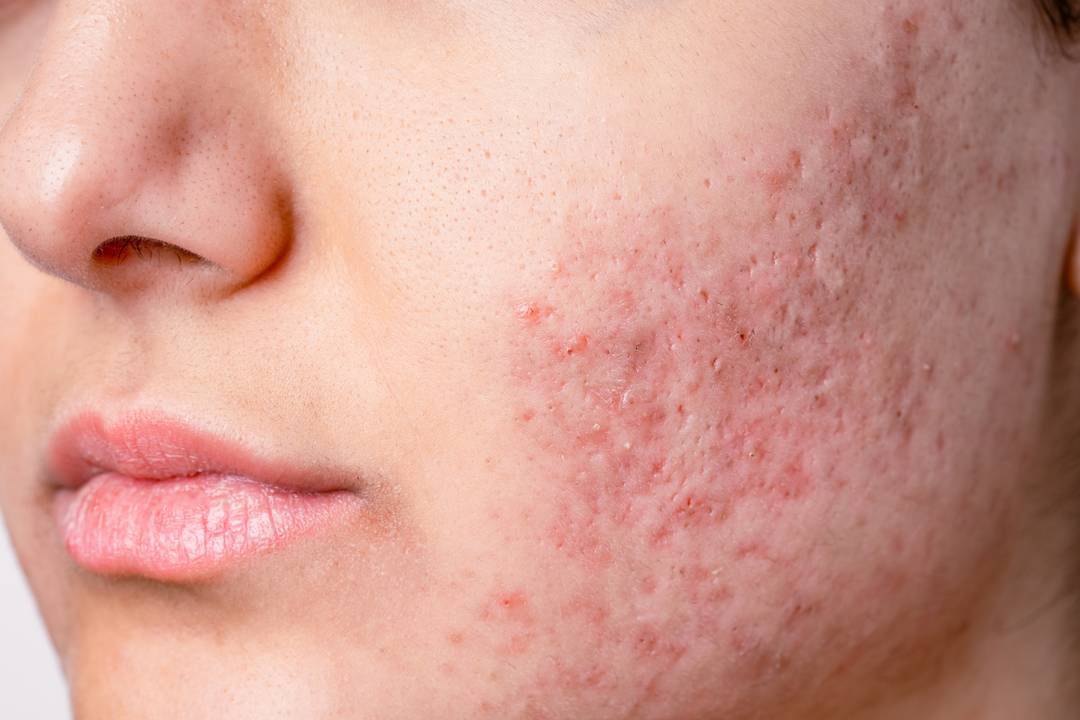
Acne & Acne Scars
Doctor-led treatment for active acne and the marks it leaves behind.
Two Related but Separate Concerns
Acne and acne scarring are related but require different treatment approaches. Active acne is best managed medically — with prescription topicals, oral medications and skincare guidance — to prevent new breakouts and reduce inflammation. Acne scarring is addressed once active breakouts are controlled, using laser and other texture-focused treatments.
Treating scarring while acne is still active is rarely effective and can worsen pigmentation. Your doctor will help you understand which phase you're in and what makes sense to treat first.
Treating Active Acne
Active acne management is medical first. Depending on severity and type, treatment may include:
- Prescription topical retinoids and antibacterials
- Oral medications including antibiotics or hormonal options
- For severe or treatment-resistant cases, oral isotretinoin
- Tailored skincare guidance to support, not interfere with, treatment
Treatment plans are reviewed regularly and adjusted based on response. The goal is durable control of breakouts before considering treatment of any residual scarring.
Treating Acne Scars
Once active acne is controlled, scarring can be addressed. Different types of acne scars respond to different treatments:
- Atrophic (depressed) scars — improved with laser resurfacing, collagen stimulation and other texture-focused treatments
- Post-inflammatory pigmentation — the dark marks left behind by resolved breakouts often fade with time, but can be accelerated with laser and topical treatment
- Persistent redness — vascular laser can reduce the residual redness that often lingers around healed acne lesions
Realistic expectations matter — meaningful improvement is achievable for most types of scarring, but complete resolution is rare. Your doctor will help you understand what's realistic for your specific scarring.
Services
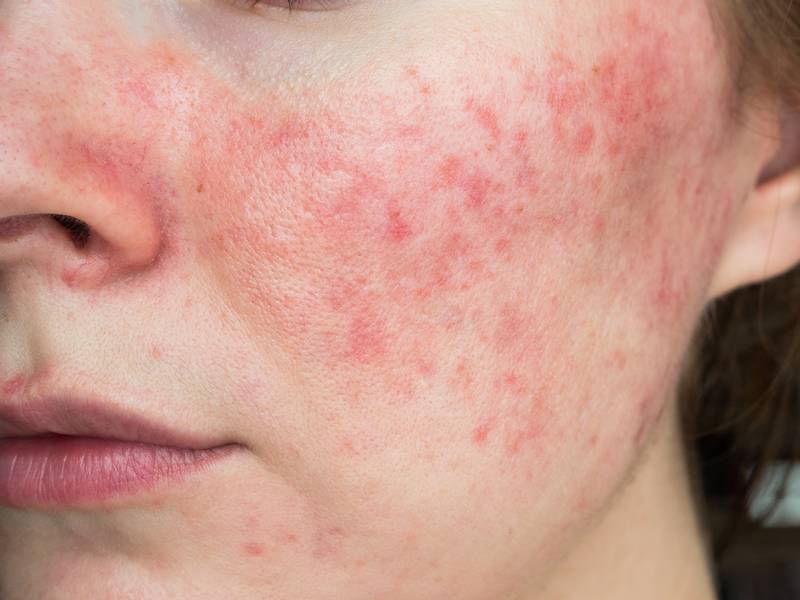
Rosacea & Facial Redness
Laser TreatmentsDoctor-led management of rosacea, persistent facial redness and broken capillaries.
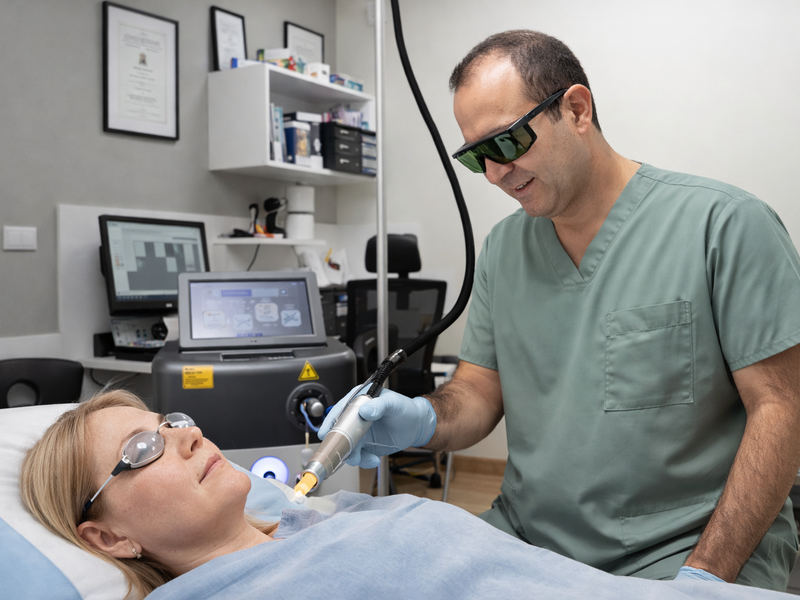
Laser Skin Rejuvenation
Laser TreatmentsMedical-grade laser treatment for fine lines, texture and overall skin tone.
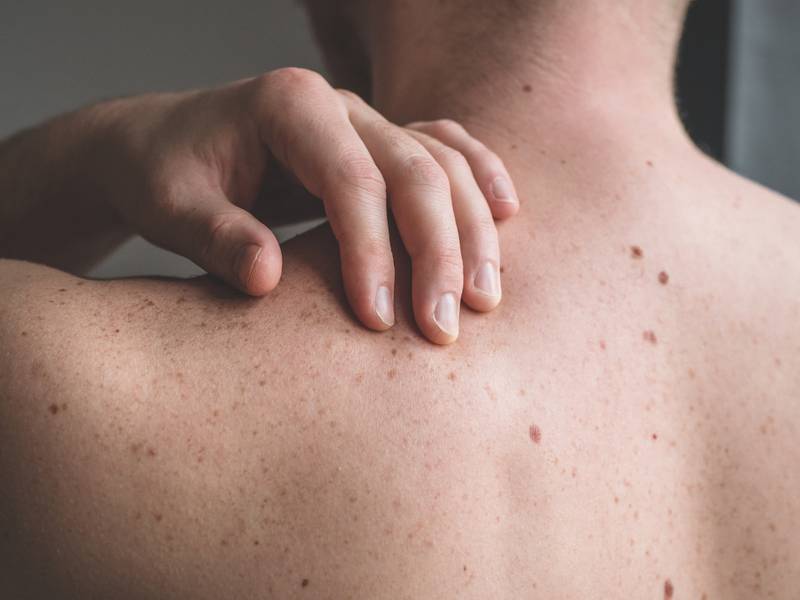
Skin Cancer Treatment
skin cancerDoctor-led diagnosis and treatment of skin cancers, focused on early detection and minimally invasive care.
Pigmentation & Sun Damage
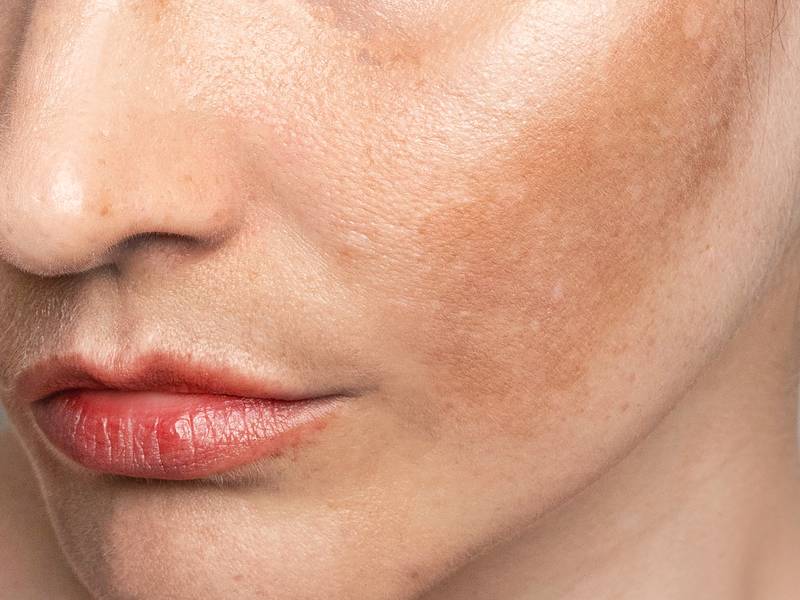
Laser TreatmentsTargeted treatment for sunspots, age spots, melasma and uneven skin tone.